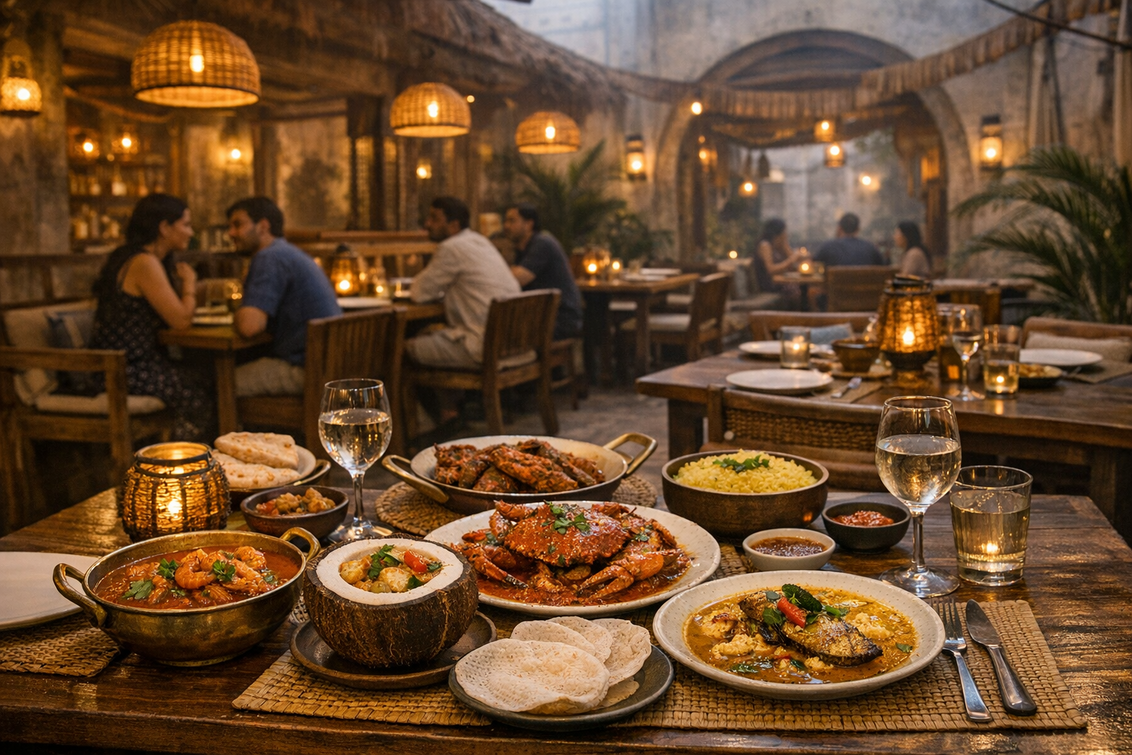
New Delhi — Delhi, ready to swap your usual butter chicken for something with a little coastal kick? The capital’s food scene is about to get another interesting addition, and this one comes with serious culinary credentials. Celebrity chef Hari Nayak’s JHOL, a restaurant concept known for celebrating India’s coastal flavours, is reportedly making its way to Delhi. For a city that loves everything from CR Park’s fish fry to Defence Colony’s South Indian restaurants, this could be a delicious new chapter. But what exactly makes JHOL worth watching?
Chef Hari Nayak’s JHOL: Why Delhi Foodies Should Be Excited
Delhi has no shortage of restaurants serving Indian food. From the legendary kebabs of Jama Masjid to the polished dining rooms of Mehrauli, the capital knows how to eat well. But restaurants that place India’s diverse coastal cuisines at the centre of the experience are still relatively uncommon compared with North Indian dining concepts.
That’s where JHOL enters the picture.
According to a report by Time Out Worldwide, chef Hari Nayak’s celebrated coastal Indian restaurant concept is coming to Delhi, bringing attention to culinary traditions from India’s extensive coastline.
For those unfamiliar with the name, Hari Nayak is an Indian-born chef and cookbook author recognised for presenting Indian cooking to international audiences. His culinary work combines traditional regional influences with contemporary restaurant techniques.
JHOL has established its identity around coastal Indian cooking, particularly the ingredients, spices, seafood traditions, and regional preparations associated with southern and western India.
Think beyond the standard restaurant interpretation of South Indian food.
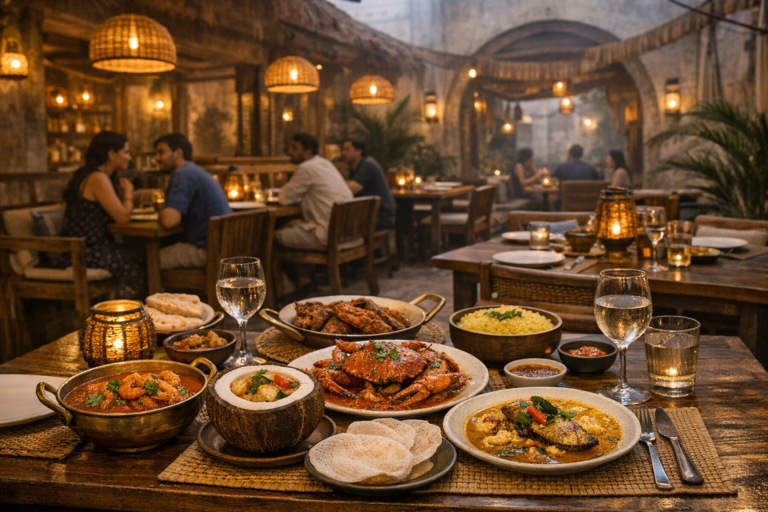
Coastal cooking can include coconut-based gravies, tamarind-forward preparations, curry leaves, mustard seeds, kokum, seafood, rice-based accompaniments, and distinctive spice combinations.
The important distinction is that coastal Indian cuisine isn’t one single style. Kerala’s seafood preparations differ considerably from those of Goa, coastal Karnataka, Tamil Nadu, or Maharashtra.
That diversity is precisely what makes a restaurant concept like JHOL interesting.
However, diners should note that the Delhi outlet’s exact location, opening date, menu, and pricing have not been independently confirmed here. Until official details are available, consider this an upcoming restaurant to watch rather than a place ready for reservations.
From South Delhi Dinner Plans to Gurgaon Foodies: Who Benefits?
Let’s talk about what this arrival could mean for people who actually live and eat in Delhi NCR.
For South Delhi residents, particularly those around Greater Kailash, Defence Colony, Hauz Khas, and Vasant Vihar, destination dining is already a familiar weekend activity.
A new coastal Indian restaurant could offer an alternative to the usual European cafés, pan-Asian restaurants, and modern North Indian establishments.
But the appeal isn’t limited to expensive dinner outings.
Delhi has a sizeable community of students, working professionals, and families with roots in southern and coastal states. Many already travel across the city searching for familiar regional flavours.
Take CR Park, for example.
Its markets are well known for Bengali fish preparations, snack counters, and sweet shops. On busy evenings, the combination of food stalls, parked cars, and customers waiting for takeaway orders gives the neighbourhood its unmistakable food-market atmosphere.
Residents familiar with Delhi’s restaurant culture often express a simple expectation: “If the food is good, people will travel across the city for it.”
That’s a fair description of how destination dining works here, although it isn’t a verified quote from a particular resident.
For office-goers in Connaught Place or Cyber City, Gurgaon, the biggest questions will be practical ones: Is JHOL worth crossing town for? Can it accommodate group dinners? Are vegetarian choices substantial enough?
Families will also want to know whether the restaurant offers comfortable seating, flexible spice levels, and options for children.
And for Delhi’s restaurant industry, another recognisable chef-led concept could raise expectations around regional authenticity, ingredient quality, and service.
Delhi Has Always Loved Coastal Food, Just Not Always Under One Roof
Anyone who thinks Delhi only eats chole bhature and butter chicken hasn’t explored enough of the city’s older food neighbourhoods.
Regional Indian cuisines have had loyal audiences here for decades.
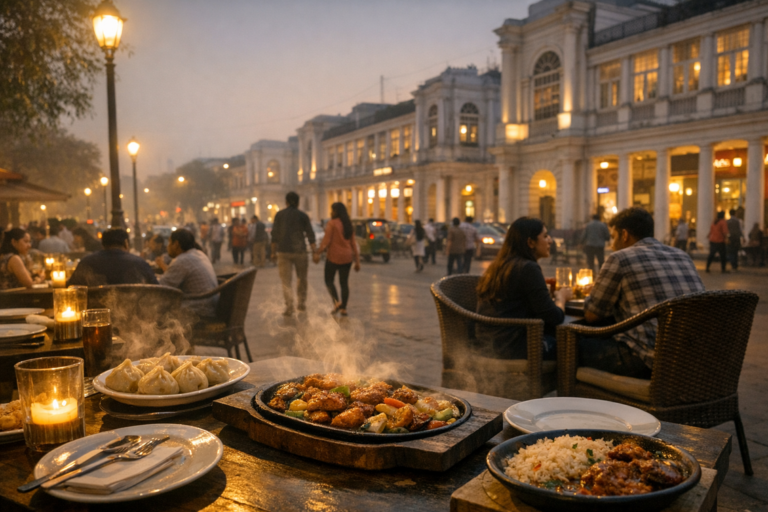
In Connaught Place, restaurants serving South Indian staples have long attracted office workers, shoppers, and families looking for dosas, idlis, filter coffee, and comforting vegetarian meals.
Over in INA Market, shoppers can find ingredients associated with cuisines from different parts of India, including curry leaves, coconut, seafood, and speciality spices, depending on vendor availability.
CR Park remains an important destination for Bengali food, while parts of South Delhi have developed a strong restaurant culture around Kerala, Tamil, Andhra, and other regional cuisines.
Yet there’s an important difference between a casual regional restaurant and a chef-led coastal dining concept.
The former often focuses on familiar dishes, affordability, and everyday comfort. The latter may explore regional ingredients through more elaborate presentations, tasting menus, or contemporary techniques.
Neither approach is automatically better.
In fact, Delhi diners are famously unforgiving when an expensive restaurant delivers attractive plating but forgettable flavours.
That is why JHOL’s arrival will be worth following closely.
Its real challenge won’t simply be introducing Delhi to coastal food. Delhi already knows plenty about it.
The challenge will be offering something distinctive enough to justify its positioning in an increasingly competitive dining market.
Planning to Try JHOL Delhi? Read These Tips Before Booking
- 1. Confirm the address and opening date before travelling: JHOL’s Delhi arrival has been reported, but don’t assume the restaurant is already accepting guests. Check the restaurant’s official channels for the confirmed address, launch date, reservation details, and operating hours. Avoid relying solely on unverified social media posts or outdated map listings.
- 2. Check the menu before deciding your budget: A chef-led restaurant may have a different pricing structure from your regular neighbourhood seafood joint. Once the Delhi menu is released, check individual dish prices, portion sizes, applicable taxes, and whether any optional service charge appears on the bill. If you’re planning a group dinner, ask whether sharing portions or set menus are available.
- 3. Don’t assume coastal food means everything will be extremely spicy: India’s coastal cuisines offer an enormous range of flavours. Some preparations emphasise coconut and gentle aromatics, while others use sharper combinations of chilli, tamarind, pepper, or kokum. Ask the staff about heat levels and allergens, particularly if you avoid shellfish, fish, peanuts, or coconut. Vegetarian diners should also confirm which dishes are prepared without seafood-based ingredients.
- 4. Use Delhi Metro strategically: Once the restaurant’s location is announced, check the closest operational Metro station using the DMRC route planner. If the outlet opens in South Delhi, connections through stations such as Hauz Khas, Green Park, or Greater Kailash may be useful depending on the actual address. For a Gurgaon location, Yellow Line connections and last-mile transport could matter. Don’t book a cab across NCR before checking your options.
- 5. Choose your visiting time carefully: New Delhi restaurant openings often attract significant attention during their initial weeks. Friday evenings and Saturday dinners can be especially busy at popular dining destinations. If JHOL introduces reservations, consider an early dinner or weekday lunch to avoid peak crowds. Confirm whether the restaurant has a waiting area and whether reservations are held for late arrivals.
- 6. Order dishes that highlight the coastal concept: When the official menu becomes available, look for preparations that showcase regional ingredients rather than ordering only familiar restaurant staples. Depending on what’s offered, coconut-based curries, tamarind preparations, seafood dishes, and regional rice accompaniments could provide a more interesting introduction to the kitchen. Ask staff about signature dishes instead of assuming every item associated with JHOL’s other locations will appear in Delhi.
- 7. Make it a proper Delhi food outing: If the restaurant opens near a major dining neighbourhood, plan around the area rather than spending your entire evening commuting. For example, GK visitors can explore M Block Market, while those dining around Connaught Place can combine dinner with a walk through the Inner Circle. Just remember that these are planning suggestions, not confirmed locations for JHOL.
📍 Spot Check: JHOL’s exact Delhi address remains unconfirmed in the information available for this article. For perspective on the city’s existing food scene, explore Greater Kailash M Block Market, Defence Colony Main Market, CR Park Market No. 1, and Connaught Place. Useful Metro reference points include Greater Kailash on the Magenta Line, Green Park on the Yellow Line, and Rajiv Chowk on the Blue and Yellow Lines. These are established Delhi dining and transport landmarks, not verified landmarks near the upcoming JHOL outlet.
What Makes Coastal Indian Cooking Different From Delhi’s Usual Restaurant Menu?
One reason JHOL could attract attention is that coastal Indian food offers far more variety than many mainstream restaurant menus suggest.
Consider the difference between a typical North Indian restaurant curry and a coastal preparation.
Delhi’s familiar restaurant gravies often rely on combinations of onion, tomato, cream, butter, nuts, and warming spices. Coastal preparations can take a different direction, building flavour through fresh coconut, curry leaves, mustard seeds, tamarind, kokum, or regional chilli varieties.
That doesn’t mean every coastal dish uses coconut, or that coastal cooking is automatically lighter.
Each region has its own techniques, ingredients, and traditions.
In Kerala, fish preparations may feature coconut milk, curry leaves, and souring agents. Goan cuisine includes distinctive seafood curries and dishes shaped by local ingredients and historical influences.
Coastal Karnataka has its own traditions involving seafood, coconut, rice, and carefully balanced spice mixtures.
Along the Tamil Nadu coast, tamarind-based fish curries and strongly seasoned preparations form an important part of regional food culture.
For Delhi diners, the opportunity is to understand these differences rather than treating every coastal dish as another version of fish curry.
This matters particularly when eating at a restaurant built around regional culinary storytelling.
A thoughtfully designed menu can introduce unfamiliar ingredients without making the experience intimidating.
Of course, the quality of the execution matters more than the explanation printed beside a dish.
Good coastal food should deliver balanced flavours, appropriate textures, and ingredients that make sense together.
No amount of fashionable presentation can compensate for poorly cooked fish or an unbalanced curry.
Will JHOL Delhi Be Worth the Hype? Here’s What We’ll Be Watching
Every major restaurant announcement in Delhi comes with excitement, especially when a recognised chef is involved.
But the NCR dining audience has become increasingly selective.
Whether you’re spending on a birthday dinner, a date night, or a family celebration, expectations have changed.
People want good food, certainly. They also expect attentive service, transparent pricing, comfortable seating, and a restaurant experience that feels worth the journey.
For JHOL, several factors will determine whether the Delhi opening becomes a lasting favourite.
First, the menu needs a clear identity.
A coastal Indian restaurant should confidently showcase its regional strengths instead of trying to please everyone with unrelated dishes.
Second, vegetarian diners shouldn’t feel like an afterthought.
Delhi has plenty of mixed-diet families and groups where some people enjoy seafood while others prefer vegetarian food.
Coastal Indian traditions include numerous vegetable, lentil, rice, and coconut-based preparations, so there’s room for a thoughtful vegetarian selection.
Third, consistency will be essential.
Opening-week excitement can fill tables, but repeat customers are what sustain a restaurant.
And finally, location will matter more than promotional photographs.
Delhi traffic can turn a seemingly simple dinner plan into a two-hour commitment.
A restaurant that’s easy to reach, offers sensible parking arrangements, and handles reservations efficiently already has an advantage.
The Final Word
Delhi doesn’t need another restaurant that simply looks impressive on Instagram. It needs places that bring something meaningful to the table.
People Also Ask
Is this officially confirmed?
Yes, but implementation on ground may vary.
Who benefits the most?
Daily commuters, students and small shop owners.
Any hidden catch?
Check timings & local enforcement.
Chef Hari Nayak’s JHOL has the potential to do exactly that by introducing more diners to the depth and diversity of India’s coastal cooking.
But the excitement should come with realistic expectations. Until the Delhi location, opening date, prices, and menu are officially confirmed, it’s too early to declare JHOL the capital’s next must-visit restaurant.
What makes this announcement interesting is the possibility of seeing regional Indian food receive the attention usually reserved for international fine-dining concepts.
And in a city where people will happily cross three Metro lines for a memorable meal, that’s a promising prospect.
Delhi foodies, would you choose a coastal Indian tasting experience over your usual North Indian dinner, and what dish would you want to see on JHOL’s menu?
Have something to say? Drop a comment below!
#Delhi #DelhiNCR #CoastalIndianFood #JHOLRestaurant #DelhiFoodScene
About the Author