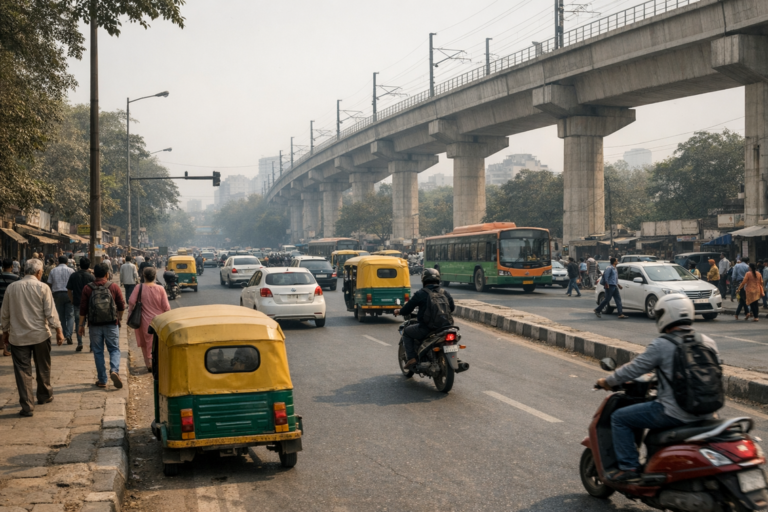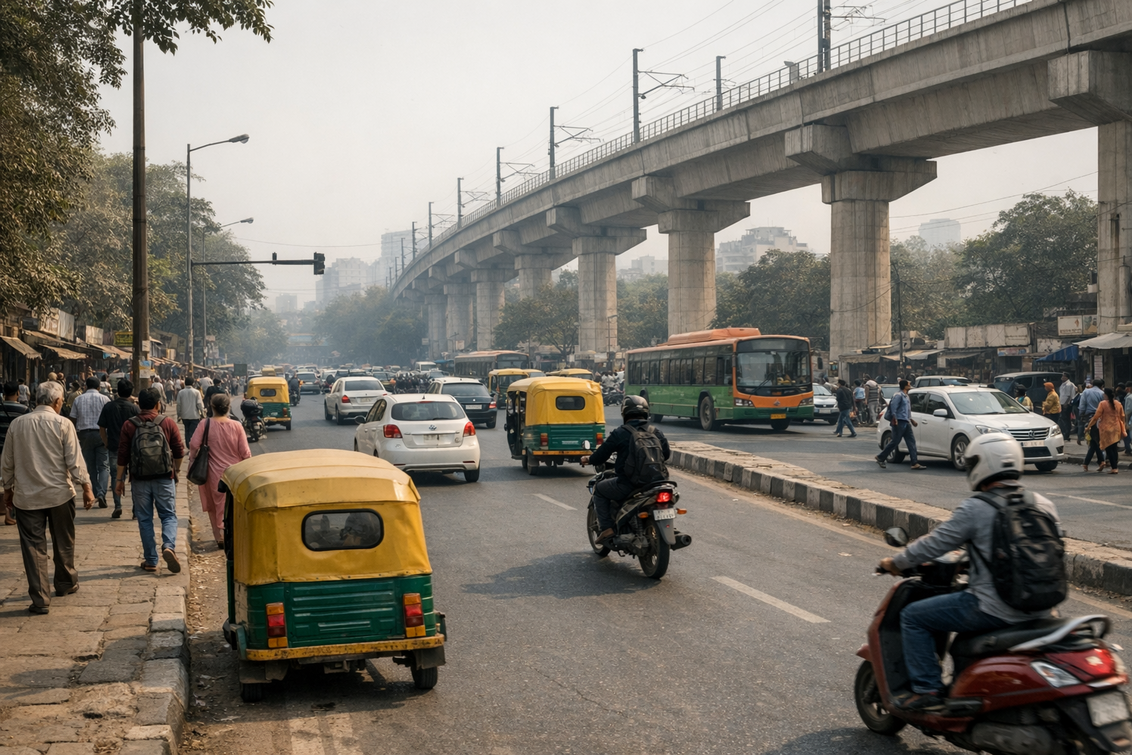
New Delhi — Banking stocks are suddenly getting everyone’s attention, and Delhi NCR investors have a big question: is this the right time to enter, or has the easy money already been made? From office conversations in Connaught Place to investment discussions over chai in Nehru Place, the banking sector is attracting interest. But while big names like HDFC Bank, ICICI Bank, and SBI dominate headlines, several smaller banking stocks deserve a closer look. The real opportunity may lie in understanding which banks have strong fundamentals rather than simply following market excitement.
Banking Stocks Are Heating Up: Where Could the Next Breakout Come From?
India’s banking sector remains one of the most closely watched parts of the stock market. Banks play a major role in economic growth because they finance businesses, provide home loans, support consumers, and help companies expand. When investors expect stronger credit demand, improving profitability, or better asset quality, banking shares can attract significant buying interest.
However, a banking stock rally does not mean every bank will perform equally well. Some institutions may benefit from healthy loan growth, while others could struggle with rising funding costs, bad loans, or expensive valuations.
For Delhi NCR investors looking beyond the usual market favourites, five listed banks are worth researching:
1. Federal Bank: This private-sector lender has developed a presence in retail banking, business loans, and digital services. Investors can monitor its loan growth, deposit mobilisation, and net interest margins to assess whether earnings growth can continue.
2. IDFC FIRST Bank: Its shift towards retail banking makes it an interesting business to study. However, profitability, credit costs, and the expense of attracting deposits deserve careful attention.
3. Bank of Baroda: This large public-sector bank provides exposure to corporate lending, retail banking, and international operations. Its asset quality, return on assets, and valuation relative to other public-sector lenders are important indicators.
4. Punjab National Bank: With strong historical connections to North India, PNB is particularly familiar to Delhi residents. Investors should examine provisions, loan quality, and sustainable profitability rather than relying only on its recognisable name.
5. AU Small Finance Bank: Its retail-focused lending model and exposure to smaller businesses make it worth monitoring. Deposit growth, funding costs, and credit risk are especially important.
These five names are research candidates, not confirmed breakout stocks or automatic buy recommendations. A genuine breakout requires supporting evidence from earnings, valuations, and market behaviour.
From CP Offices to Noida Homes: Why Delhi Investors Should Care
In Delhi NCR, financial decisions are rarely limited to stock market professionals. Salaried employees, small-business owners, students, and families planning major purchases all have reasons to follow developments in banking.
Consider a young professional working near Cyber City in Gurugram. After paying rent, commuting expenses, and monthly bills, they may have ₹5,000 available for investing. A banking stock rally can look attractive, especially when social media is full of screenshots showing impressive returns.
But buying shares simply because prices are rising can turn a disciplined savings plan into an expensive lesson.
For families living in Dwarka, Rohini, or Noida Sector 62, banking performance matters beyond stock prices. Changes in lending rates can influence home loan EMIs, vehicle financing, and the affordability of new purchases.
Small-business owners in Karol Bagh and Lajpat Nagar have another perspective. Their priorities often include working-capital loans, affordable credit, reliable payment services, and access to bank branches.
Picture the familiar morning routine around Nehru Place Metro Station: autos calling for passengers, office workers rushing towards commercial buildings, and tea vendors serving customers before the workday begins. For many people in this crowd, investing competes with immediate financial responsibilities.
A useful way to capture the everyday concern is this hypothetical Delhi investor’s question: “Shares toh le lenge, lekin agar market gir gaya toh EMI ka kya?”
That concern deserves attention. Money needed for rent, school fees, emergency expenses, or loan repayments should not be exposed to unpredictable stock market movements.
There is also an important distinction between a successful bank and a successful investment. A bank can increase profits while its share price underperforms because investors had already expected even stronger results.
Delhi’s Banking Connection: From Old-School Branches to Stock Market Apps
Delhi’s relationship with banking goes back long before mobile trading apps made investing possible from a Metro seat.
For generations, commercial areas such as Chandni Chowk, Sadar Bazaar, and Connaught Place have depended on banks for business accounts, trade finance, cash management, and credit facilities.
Punjab National Bank, established in Lahore in 1894, has a particularly significant history in northern India. Following Partition, its headquarters shifted to Delhi, strengthening its association with the capital’s financial development.
Over time, banking changed dramatically. Earlier, customers routinely visited branches to deposit cheques, update passbooks, or submit paperwork. Today, mobile applications, UPI payments, online banking, and digital investment platforms have transformed everyday financial habits.
India’s banking sector has also experienced difficult periods. Rising non-performing assets became a major concern during the previous decade, particularly among several public-sector banks. Regulatory reforms, recoveries, recapitalisation, and improved balance sheets subsequently helped parts of the sector regain stability.
That history matters because banking stocks are cyclical.
During favourable economic conditions, loan demand and profitability may improve. During periods of stress, defaults can increase, funding becomes more expensive, and investor confidence can weaken.
Delhi NCR investors should also remember that the banking environment affects different institutions differently. A large corporate lender, a retail-focused private bank, and a small finance bank do not necessarily respond to economic changes in the same way.
Understanding these differences is more useful than treating all banking stocks as one investment opportunity.
Planning to Invest? Follow These 5 Smart Steps Before Buying Banking Stocks
-
1. Check the numbers before trusting the headlines.
Examine a bank’s latest quarterly results, annual reports, and investor presentations. Focus on net interest margin (NIM), gross and net non-performing assets (NPAs), deposit growth, capital adequacy, and return on assets. Compare these figures across several quarters rather than judging performance from a single announcement. You can find official company disclosures through the NSE and BSE websites. -
2. Understand what makes a banking stock expensive.
Banking stocks are frequently evaluated using the price-to-book (P/B) ratio. A low P/B ratio does not automatically indicate a bargain. It may reflect concerns about profitability, asset quality, or future growth. Compare valuations with similar banks and examine return on equity alongside them. A financially strong bank purchased at an excessive valuation can still produce disappointing returns. -
3. Avoid putting your entire investment budget into one sector.
Suppose you have ₹20,000 available for long-term investing. Investing the entire amount in three banking stocks may appear diversified, but all three remain exposed to similar economic and regulatory risks. Consider broader diversification through suitable mutual funds or index funds. Keep emergency savings separate, and avoid borrowing money to purchase shares. -
4. Watch RBI policy announcements and quarterly earnings.
Changes in interest rates can influence lending demand, deposit costs, and bank profitability. However, lower interest rates do not guarantee higher banking stock prices. Monitor Reserve Bank of India announcements, management commentary, credit growth, and changes in asset quality. Investors who work in Connaught Place, Noida, or Gurugram can follow official updates online without relying on unverified market tips circulating through WhatsApp groups. -
5. Use a regulated investment platform and create a written plan.
Before purchasing shares, verify that your broker is registered with SEBI. Decide how much you can afford to invest, your expected holding period, and the circumstances under which you would reconsider your investment. If you need personalised guidance, consult a SEBI-registered investment adviser. Most importantly, never buy a stock solely because someone promises a guaranteed breakout.
📍 Spot Check: Delhi NCR residents interested in understanding banking and investments can explore financial services around Connaught Place’s Barakhamba Road, near Barakhamba Road Metro Station on the Blue Line. Nehru Place, accessible through Nehru Place Metro Station on the Violet Line, is another major commercial district with banking and financial service offices. Gurugram’s Cyber City, near Cyber City Rapid Metro Station, is home to numerous corporate offices where financial planning is relevant to working professionals. For official banking information, check the RBI website at rbi.org.in. For stock exchange announcements and company disclosures, visit nseindia.com and bseindia.com. These online resources are generally more useful for investment research than visiting a bank branch, and no particular local office should be assumed to provide investment advice.
The Final Word
Delhi has never been short of people willing to discuss money, markets, and the next big opportunity. Whether it is a business owner in Chandni Chowk or a young professional travelling on the Yellow Line, everyone wants their savings to work harder.
People Also Ask
Is this officially confirmed?
Yes, but implementation on ground may vary.
Who benefits the most?
Daily commuters, students and small shop owners.
Any hidden catch?
Check timings & local enforcement.
But banking stocks deserve more than excitement generated by a rally.
Federal Bank, IDFC FIRST Bank, Bank of Baroda, Punjab National Bank, and AU Small Finance Bank offer different business models and risk profiles worth studying. None is guaranteed to outperform, and their attractiveness depends on current prices, financial results, and individual investment goals.
The smartest approach is to research carefully, diversify sensibly, and remember that protecting your savings matters just as much as growing them.
Delhi investors, which banking stock are you watching most closely, and what makes you confident about its long-term potential?
Have something to say? Drop a comment below!
#Delhi #DelhiNCR #BankingStocks #StockMarketIndia #MarketTrends
About the Author