New Delhi — Some places in Delhi don’t need fancy interiors, Instagram promotions, or celebrity chefs to attract food lovers. All they need is a hot tawa, a decades-old recipe, and customers willing to stand in a queue. That’s exactly the charm of Old Delhi’s legendary food streets. With international travel publications like Travel + Leisure bringing fresh attention to the area’s centuries-old food culture, one question deserves answering: is eating your way through Purani Dilli still worth the crowds, chaos, and occasional parking headache?
Old Delhi’s Legendary Food Lanes Are Back in the Spotlight
When people talk about Delhi’s oldest street food destinations, Chandni Chowk almost always enters the conversation. Developed during the Mughal era in the 17th century, this historic marketplace has evolved into one of India’s most recognisable destinations for traditional food, shopping, and cultural experiences.
But here’s something first-time visitors often misunderstand: Chandni Chowk isn’t one single food market where everything sits neatly in a row. It’s an entire network of streets, smaller bazaars, historic shops, and food lanes, each with its own speciality.
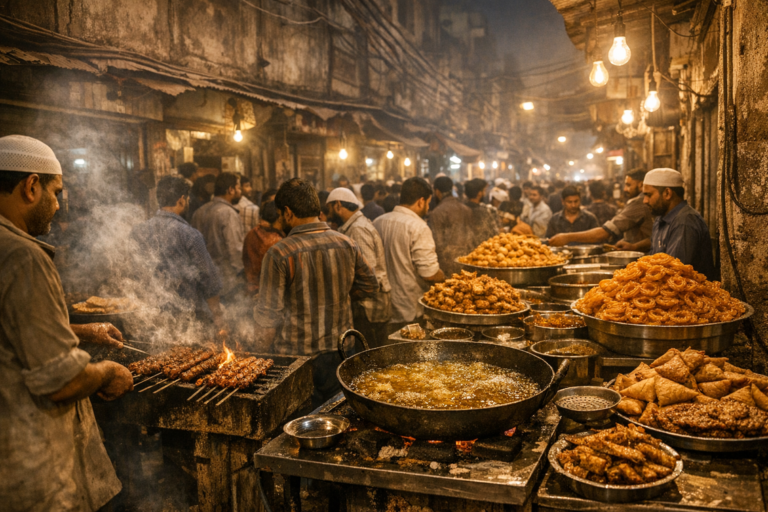
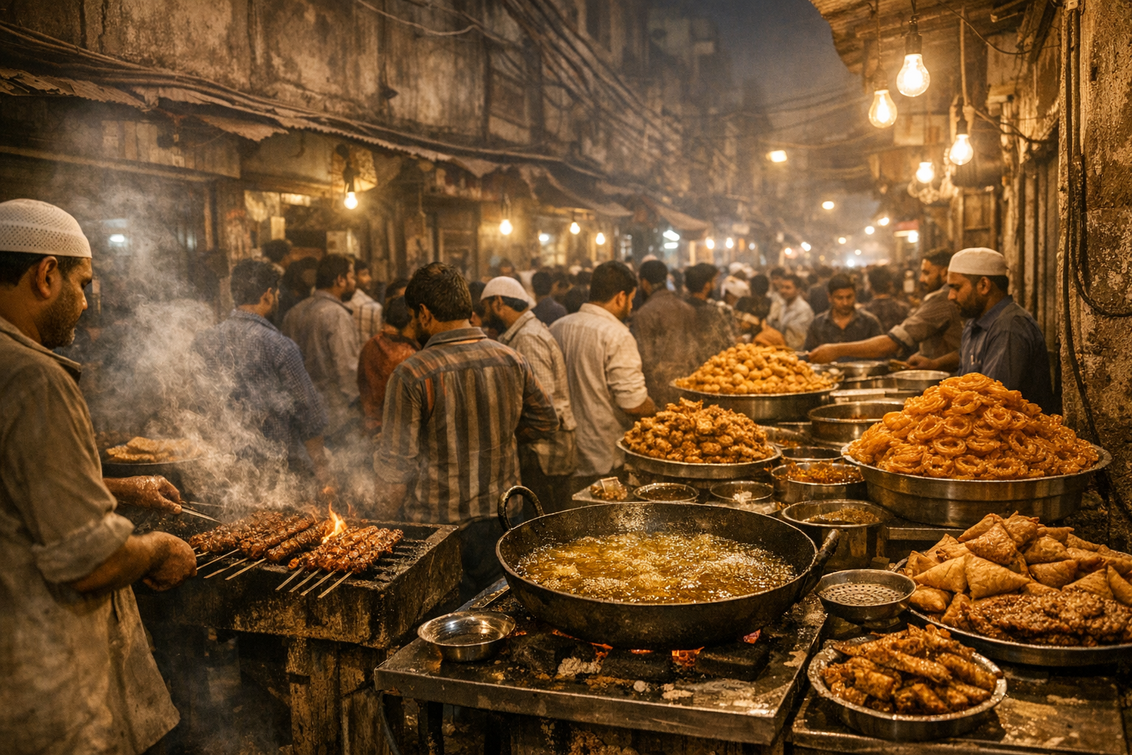
Walk towards Paranthe Wali Gali, and you’ll find shops serving stuffed, fried parathas with accompaniments that can include chutneys, pickles, and vegetable preparations. Move closer to Jama Masjid and Matia Mahal, and the food scene changes dramatically. Here, kebabs, biryani, korma, and other Mughlai favourites dominate many menus.
Then there’s the sweeter side of Purani Dilli.
Old establishments associated with Chandni Chowk’s food culture include Old Famous Jalebi Wala, known for its thick jalebis, and Natraj Dahi Bhalla Corner, popular for its dahi bhalla and aloo tikki.
Shop menus, opening hours, and availability can change, so checking before travelling is sensible.
What makes the experience different from a modern food court is the atmosphere surrounding the food.
You might hear cycle-rickshaw bells, vendors calling out orders, customers negotiating space near a counter, and the steady sounds of utensils hitting hot cooking surfaces.
Locals often describe the experience with a familiar sentiment: “Purani Dilli ka khaana sirf khaane ke liye nahi, mahaul ke liye bhi hota hai.”
In other words, the setting is part of the meal.
Why Delhi Families, Students, and Office-Goers Still Love This Food Circuit
For Delhi residents, Old Delhi street food isn’t simply a tourist activity. It’s often connected to family traditions, college outings, shopping trips, and weekend food plans.
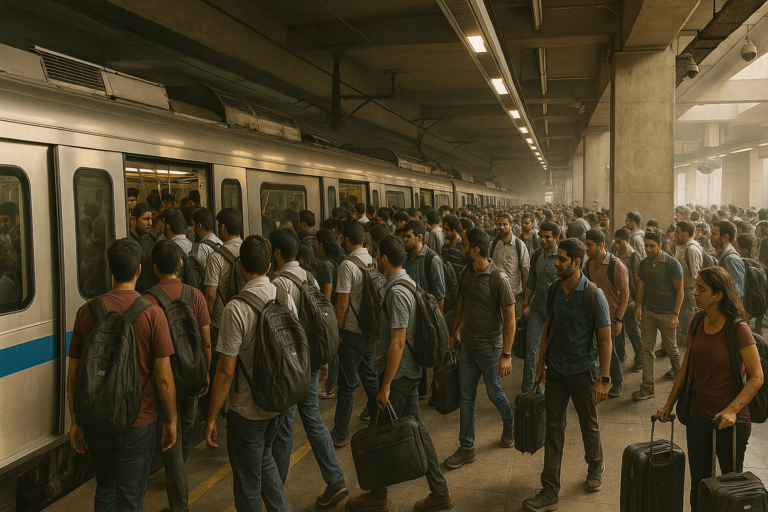
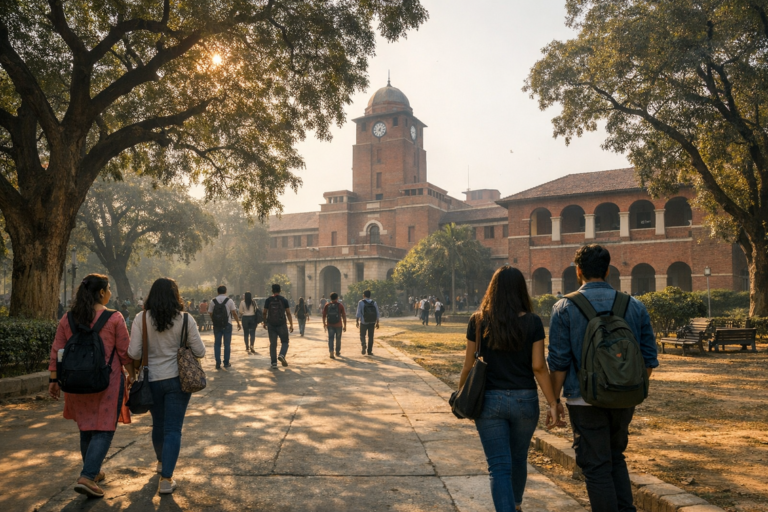
Consider students travelling from Delhi University’s North Campus. A food outing to Chandni Chowk can mean taking the Yellow Line from Vishwavidyalaya Metro Station, getting off at Chandni Chowk, and walking through the market before deciding what to eat.
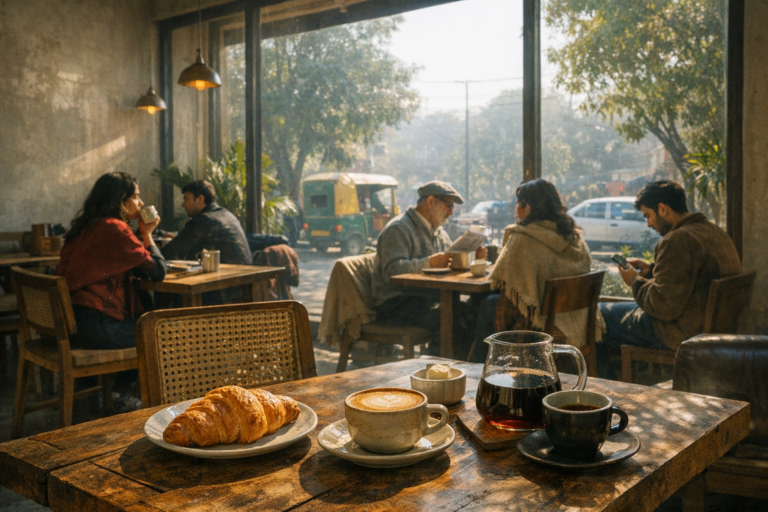
For office-goers working around Connaught Place, Barakhamba Road, or Central Secretariat, Purani Dilli offers something different from the usual café lunch.
Instead of spending heavily at a restaurant, a small group can explore several food stops and share different dishes.
However, don’t automatically assume everything here is cheap. Famous establishments can charge noticeably more than neighbourhood stalls, particularly for speciality dishes.
Families visiting from Rohini, Pitampura, or Noida should also plan around the area’s narrow lanes.
Parents accompanying elderly relatives or young children may find weekend evenings tiring because of congestion, uneven walking surfaces, and limited comfortable seating.
Local residents frequently advise visitors to arrive before the heaviest evening crowds rather than trying to explore every famous shop during peak hours.
There’s also an important business angle.
International attention can introduce these historic food businesses to new customers, but increased footfall also puts pressure on already crowded lanes, sanitation arrangements, waste disposal, and pedestrian movement.
Supporting these establishments while respecting the neighbourhood is a better approach than treating Old Delhi like an unlimited food challenge.
From Shah Jahan’s Delhi to Today’s Street Food Obsession
To understand why Chandni Chowk matters, you need to go back to the 1600s.
When Mughal emperor Shah Jahan established Shahjahanabad, the historic walled city of Delhi, Chandni Chowk developed as one of its principal commercial streets.
The market is traditionally associated with Jahanara Begum, Shah Jahan’s daughter, who played an important role in its early development.
Over time, the area became known for trading, religious landmarks, jewellery, textiles, sweets, and food.
Its culinary traditions reflect several influences, including Mughal cooking, North Indian vegetarian preparations, merchant communities, and recipes adapted across generations.
Importantly, the market’s 17th-century origins don’t mean every food shop operating there is 400 years old. Many well-known establishments emerged much later, while individual recipes and cooking traditions have their own histories.
This distinction matters when discussing Delhi’s food heritage.
Compare Chandni Chowk with Khan Market or the restaurants of Greater Kailash M Block Market.
Those destinations offer a more contemporary dining experience, often with organised seating, predictable menus, and modern café culture.
Old Delhi operates differently.
Here, food is closely connected to the surrounding streets, religious landmarks, wholesale markets, and the everyday routines of neighbourhood residents.
That’s why the experience remains distinctive even as Delhi’s restaurant scene continues to change.
Planning an Old Delhi Food Walk? Do These 7 Things First
- 1. Take the Metro instead of driving: Chandni Chowk Metro Station on the Yellow Line is one of the most convenient entry points for exploring the market. Lal Qila Metro Station on the Violet Line is another useful option, depending on your route. Parking around the historic market can be difficult, particularly on weekends.
- 2. Start around late morning or early afternoon: If your priority is Chandni Chowk’s vegetarian snacks, sweets, and parathas, arriving before the evening rush can make the visit more manageable. For food around Jama Masjid and Matia Mahal, many visitors prefer evenings. Individual shop timings vary, and some establishments close on particular days.
- 3. Don’t eat everything at your first stop: A common beginner’s mistake is ordering a full meal at the first famous shop. Instead, share smaller portions. Start with something savoury, explore another lane, and leave room for jalebi, rabri, or another dessert.
- 4. Carry cash, but keep UPI ready: Many vendors accept digital payments, but mobile network congestion or technical problems can interrupt transactions. Carrying smaller cash denominations can be useful. Confirm prices before placing an order, especially when ordering by weight or portion size.
- 5. Dress for walking, not for photographs: Old Delhi is best explored on foot. Wear comfortable shoes, carry drinking water, and avoid bringing large bags. During Delhi’s summer, the heat can make a long afternoon food walk uncomfortable. Winter afternoons are generally more pleasant, although air quality should also influence your plans.
- 6. Be selective about food hygiene: Choose stalls where food is prepared fresh, ingredients appear properly stored, and utensils are reasonably clean. Be cautious with uncovered chutneys, pre-cut fruit, and drinks made with uncertain water sources. People with sensitive stomachs should avoid treating the outing as an endurance test.
- 7. Respect the neighbourhood: Chandni Chowk and Matia Mahal are working commercial and residential areas, not just tourist attractions. Avoid blocking shop entrances, ask before photographing vendors or customers, and dispose of food waste responsibly. Around Jama Masjid, dress respectfully and remain mindful of prayer timings.
📍 Spot Check: Planning your food trail? Start at Chandni Chowk Metro Station (Yellow Line) and explore the surrounding market lanes. Popular nearby food landmarks include Paranthe Wali Gali, Natraj Dahi Bhalla Corner, and Old Famous Jalebi Wala. For Mughlai food, head towards Jama Masjid, Matia Mahal, and Urdu Bazaar. Other notable landmarks include Gurudwara Sis Ganj Sahib, Fatehpuri Masjid, Red Fort, and Khari Baoli. These locations aren’t all next to one another, so allow enough time for walking. Depending on your stops, a relaxed food outing can take two to four hours.
The Final Word
Delhi has no shortage of excellent food destinations. You can find stylish cafés in Hauz Khas, excellent restaurants in Defence Colony, and popular street food corners across Lajpat Nagar, Karol Bagh, and Rajouri Garden.
People Also Ask
Is this officially confirmed?
Yes, but implementation on ground may vary.
Who benefits the most?
Daily commuters, students and small shop owners.
Any hidden catch?
Check timings & local enforcement.
But Old Delhi offers something that cannot easily be recreated inside a modern shopping complex: food served within a neighbourhood shaped by centuries of trade, migration, and changing tastes.
That doesn’t mean every famous shop will impress everyone. Some dishes may feel overpriced, queues can be frustrating, and the crowded lanes aren’t ideal for visitors seeking a relaxed dining experience.
Still, when approached with realistic expectations, Chandni Chowk remains one of Delhi’s most rewarding food outings.
Go for the flavours, stay curious about the history, and give yourself time to explore beyond the most photographed counters.
Delhi foodies, what’s your pick: Paranthe Wali Gali, Jama Masjid’s kebabs, or Chandni Chowk’s legendary jalebis?
Have something to say? Drop a comment below!
#OldDelhi #ChandniChowk #DelhiStreetFood #FoodWalk #WeekendPlans
About the Author